Hawaii Vacation Planning
Hawaii Vacations Built Around the Right Island, Pace, and Experience
Oahu, Maui, Kauai, and the Big Island may share beautiful beaches and warm weather, but they create very different vacations. The strongest Hawaii trip starts by matching the island, resort area, activities, transportation, and pace to the way you actually want to travel.
Sehlmeyer Travel helps travelers from Defiance, Northwest Ohio, and across the country compare Hawaiian islands, resorts, room locations, rental cars, flights, cruises, activities, island combinations, and realistic trip flow before they book.
Hawaii planning made clearer
Compare islands, resort areas, rental cars, activities, cruises, island-hopping, and trip pace before choosing the hotel.
Domestic travel. Big-trip planning.
Hawaii Is in the United States. That Does Not Make It a Simple Vacation.
For travelers coming from Ohio or much of the mainland, Hawaii still means a serious travel day. Once you arrive, hotel location, rental cars, reservations, island distances, activities, and the number of times you move can have a major impact on the trip.
Hawaii rewards good planning more than almost any domestic vacation. The goal is not to squeeze every famous sight into one itinerary. It is to choose the parts of Hawaii that matter most to your travelers and give yourself enough time to enjoy them.
Start with the biggest decision
Choose the Island Before You Choose the Resort
The island affects far more than the scenery outside your hotel. It changes flight schedules, beaches, resort choices, driving distances, restaurants, activities, weather patterns, rental-car needs, and how relaxed or active the vacation feels.
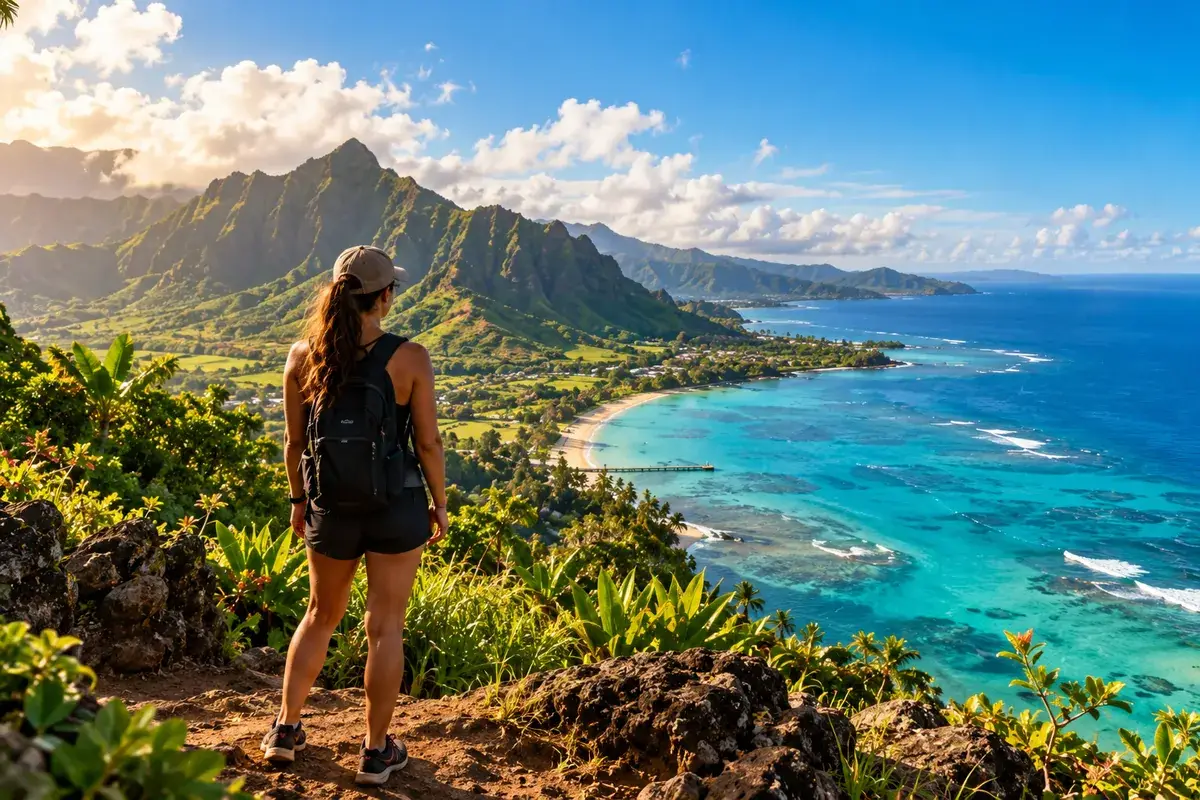
Start With the Experience You Want Hawaii to Deliver
Waikiki can give you beaches, restaurants, history, nightlife, and Pearl Harbor in one trip. Maui pairs resorts with scenic drives and classic Hawaii landscapes. Kauai puts nature and slower pacing first. The Big Island adds volcanoes, manta rays, stargazing, coffee country, and enormous geographic variety.
Choose that experience first. Then select the resort area, room, transportation, and activities that make it possible.
First trips, history, and variety
Oahu
Waikiki, Pearl Harbor, North Shore beaches, dining, shopping, nightlife, history, and the broadest range of experiences in one island stay.
Explore the Oahu guideResorts, beaches, and scenic drives
Maui
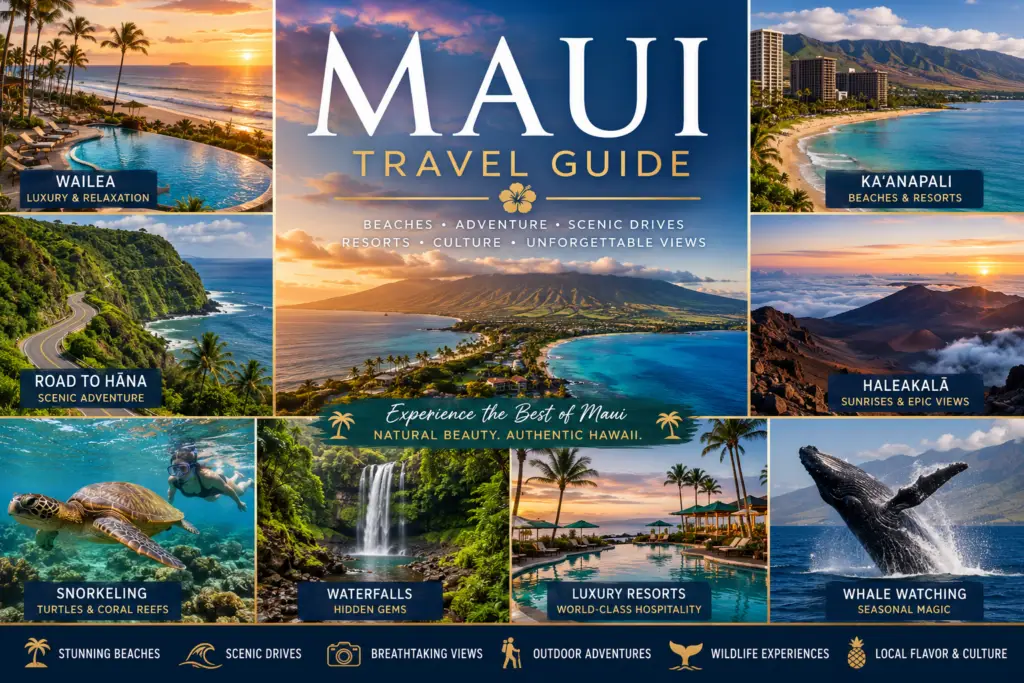
Beach resorts, Road to Hana, Haleakalā, snorkeling, seasonal whale watching, couples trips, family travel, and a strong balance between relaxing and exploring.
Explore the Maui guideNature, waterfalls, and slower pacing
Kauai
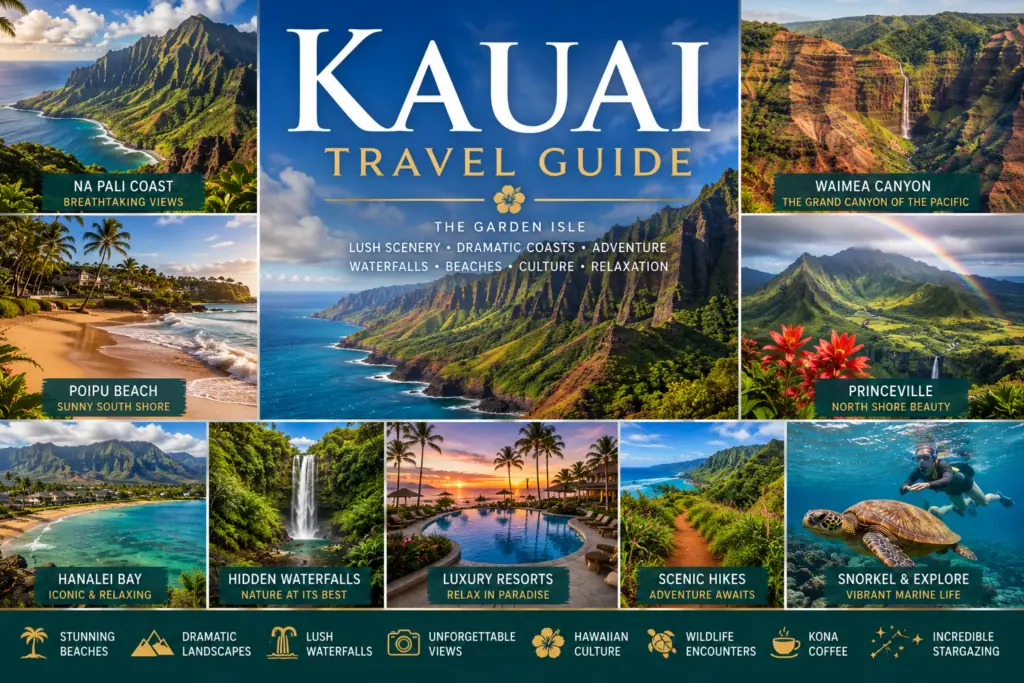
Nā Pali Coast, Waimea Canyon, waterfalls, hiking, quiet resorts, dramatic landscapes, scenic drives, and a more peaceful version of Hawaii.
Explore the Kauai guideVolcanoes, adventure, and open space
Big Island
Volcanoes, Kona, Hilo, black-sand beaches, waterfalls, coffee farms, manta rays, stargazing, long drives, and dramatically different landscapes.
Explore the Big Island guideMatch Hawaii to the traveler
What Kind of Hawaii Vacation Are You Planning?
Island choice becomes much easier when the trip is built around the people going and the moments they care about most.
First Hawaii vacation
Oahu or Maui
Oahu offers history, beaches, food, nightlife, and famous landmarks. Maui delivers the resort-and-scenery Hawaii many travelers have pictured for years.
Anniversary or romantic escape
Maui or Kauai
Maui brings polished resorts and memorable scenic days. Kauai is better when privacy, nature, dramatic scenery, and slower pacing matter more.
Family vacation
Oahu or Maui
Both provide beaches, activities, restaurants, sightseeing, and enough variety to balance kid-friendly days with experiences the adults will remember too.
Adventure and nature
Big Island or Kauai
Choose the Big Island for volcanoes, manta rays, stargazing, and enormous landscapes. Choose Kauai for hiking, cliffs, waterfalls, canyons, and lush scenery.
History, food, and variety
Oahu
Pearl Harbor, Honolulu, Waikiki, North Shore, dining, culture, beaches, museums, shopping, and nightlife make Oahu the broadest one-island experience.
Premium resort experience
Maui or Big Island
Both islands offer strong resort areas and excellent options when the hotel itself is meant to be an important part of the vacation.
Hawaii Together
Hawaii Can Be an Incredible Multigenerational or Milestone Group Trip
Hawaii is especially meaningful when the reason for traveling is bigger than simply taking another vacation. Family milestones, anniversaries, retirements, graduations, birthdays, reunions, and once-in-a-lifetime trips can all create a natural reason to bring several generations or households together.
The challenge is that one Hawaii itinerary now has to work for different ages, budgets, room needs, activity levels, airports, and expectations. That is where organization matters.
- Multigenerational Families
- Milestone Birthdays
- Anniversaries
- Retirement Celebrations
- Family Reunions
- Friends & Celebration Trips

Protect the vacation from the itinerary
How Many Hawaiian Islands Should You Visit?
Once you have traveled all the way to Hawaii, it is tempting to add as many islands as possible. Every island change, however, means packing, checking out, getting to the airport, flying, collecting bags, getting another car or transfer, and checking into another hotel.
The inter-island flight may be short. The transition rarely is.
Usually One Island
Give yourself enough time to explore, enjoy the resort, recover from the long travel day, and let Hawaii feel like a vacation instead of a checklist.
One or Two Islands
Two islands can work well when the pairing creates real contrast and the itinerary honestly accounts for the transition day.
Two Islands, Sometimes Three
Longer trips create enough room for island contrast without sacrificing every relaxing day to another airport or hotel change.
Choose the trip structure
Hawaii Cruise or Land Vacation?
A Hawaii cruise makes it easier to sample several islands without repeatedly changing hotels. Your room moves with you, dining and entertainment are built in, and the itinerary creates a structured introduction to several parts of Hawaii.
A land vacation trades that convenience for depth. You can stay through sunset, explore restaurants and neighborhoods, build full-day drives, spend more time at the resort, and experience one or two islands beyond a port schedule.
Where planning earns its value
The Expensive Hawaii Mistakes Usually Happen Before the Plane Leaves.
The cheapest airfare is not automatically the best value if it creates a miserable connection or costs most of the first day. A beautiful resort is not a great value if it is far from everything you want to do. A rental car does not help if the driving time and parking were never considered.
And another island costs much more than the inter-island airfare once baggage, airport time, transportation, hotel changes, and the lost vacation hours are included.
For a major Hawaii trip, the goal is not to make Hawaii cheap. It is to make every expensive decision earn its place.
Ready for the next step?
Compare Real Hawaii Vacation Options
Already know the island, dates, or resort style you want? Start searching Hawaii vacation options on your own. Still comparing islands, hotels, flights, rental cars, cruises, or activities? Matt can help narrow the trip before you commit.
Search on your own, ask for help when needed, or have Sehlmeyer Travel handle the planning from the beginning.
Hawaii Planning Guides
Six Guides for Choosing the Right Island and Trip
Use the Hawaii planning library below to compare Oahu, Maui, Kauai, the Big Island, the complete Hawaii planning framework, and Hawaii cruise versus land vacations before choosing the trip.